


Cost control is one of the most pressing challenges across construction, manufacturing and engineering environments. While labour rates, plant hire and major material purchases are closely monitored, some of the most significant financial losses happen quietly in day-to-day operations.
Poor procurement processes, fragmented supplier networks, excess stock, and time lost searching for materials all contribute to hidden operational costs. Individually, these issues may seem small, but when repeated across multiple projects, teams and sites, they can significantly erode margins.
For commercial managers, procurement teams and directors, identifying and addressing these invisible inefficiencies is one of the most effective ways to reduce spend without cutting quality or compromising delivery.
The Hidden Cost of Fragmented Procurement
Many organisations rely on multiple suppliers for everyday consumables such as fixings, PPE, sealants and tools. While this may develop organically over time, it often leads to procurement inefficiencies, including:
- Inconsistent pricing across sites and projects
- Multiple purchase orders for low-value item
- Increased administrative workload for procurement teams
- Reduced visibility over what is being ordered and where
- Difficulty standardising materials and product specifications
Fragmented procurement limits purchasing leverage and makes it difficult to identify spending patterns or opportunities for consolidation.
By contrast, a structured procurement strategy allows organisations to reduce supplier complexity, standardise frequently used items and maintain stronger control over purchasing decisions.
Downtime: The Most Expensive Cost on Site
One of the biggest hidden costs in any operational environment is lost productivity.
When workers cannot access the materials or consumables they need, even for short periods, the impact on productivity can be immediate. Typical examples include:
- Waiting for urgent deliveries
- Walking long distances across site to locate material
- Interrupting other teams to borrow supplies
- Delays caused by emergency orders
Individually, these interruptions may only cost a few minutes. Across an entire workforce, however, the cumulative impact can be substantial.
Ensuring that high-use items are always available where teams need them can dramatically reduce downtime and improve overall operational efficiency.
Moving from Reactive to Proactive Procurement
Traditionally, many procurement processes are reactive. Items are ordered when they run out or when a site team urgently requests them.
This approach often leads to:
- Rushed purchases
- Inconsistent pricing
- Higher delivery cost
- Unnecessary disruption to project timelines
Modern supply chain solutions are helping organisations move towards a more proactive model.
For example, systems such as ProcureSite simplify purchasing and standardise procurement across multiple projects, help organisations streamline procurement, reduce waste and maintain consistent product availability.
How Better Procurement Supports Every Role

The benefits of enhanced inventory management reach across multiple areas of a business.
Procurement Teams
Reduce transactional costs for low-value items, consolidate suppliers and gain better visibility of purchasing data.
Site Teams
Making the ordering of everyday items fast and efficient while ensuring cost controls are in place and products selected are correct.
Health & Safety Teams
Maintain controlled access to approved PPE
Finance Teams
Reduce procurement administration, minimise invoice errors and lower the amount of capital tied up in stock.
A Smarter Approach to Cost Control
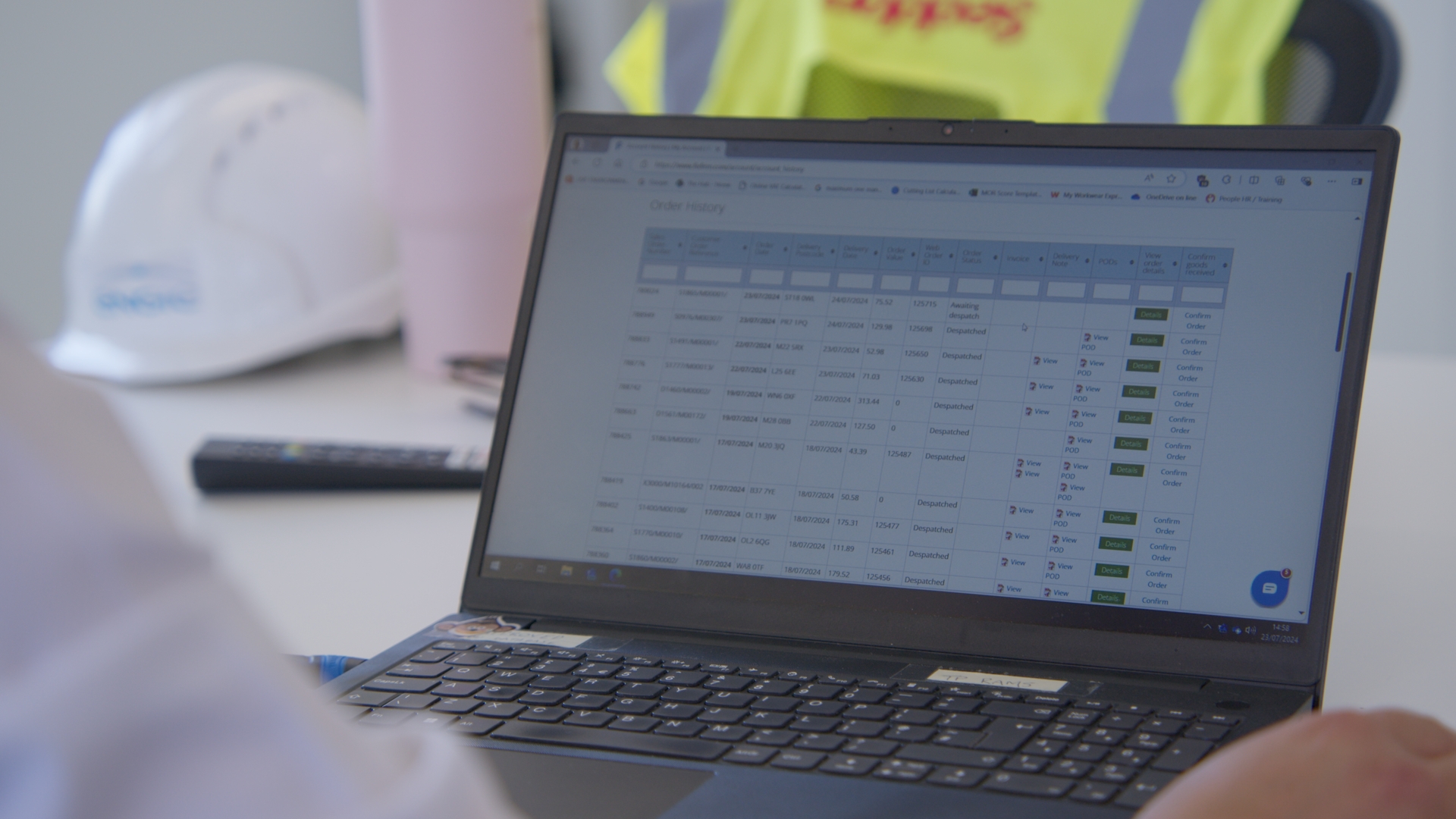
When considering the relatively low cost of items such as site consumables, fixings, tools etc compared to large purchases such as concrete, bricks, drainage, etc, it must be remembered that delegating purchasing to site personnel, through a secure portal system, relieves buying teams to spend their time on bigger ticket products to increase profitability.
In context, some analysts put the cost of processing a purchase order between 50 and 120 GBP. Weigh the amount of such cost against an average site consumables/fixings order of 220 GBP and the cost of the procedure as in the table below.
For many organisations, the biggest opportunities to reduce costs are not in cutting labour or materials; they lie in eliminating hidden inefficiencies, the hidden day-to-day practices.
|
Product |
Value of order GBP |
Cost of processing the order manually GBP |
Purchasing cost as a % of order value |
|
Consumables, Fixings, PPE etc |
220 |
Average 80 |
36.0% |
|
Concrete blocks full load |
3000 |
Average 80 |
2.6% |
|
Facing bricks - full load |
14000 |
Average 80 |
0.5% |
|
This fictitious table gives an idea of how placing of orders for site consumables and tool requirements is disproportionately impacting costs within the procurement department. |
|||
Improving procurement structures, increasing visibility of stock usage and ensuring materials are always available where they are needed can deliver substantial operational improvements.
Even small changes in procurement strategy can result in significant savings across multiple projects.
How can I start to implement this journey? Get in touch with us today via the Live Chat or email us for support on the next steps.
ProcureSite, 555 Delivery, Slickstock.
BACK TO ARTICLES