

FixFirm supports contractors and site teams with practical, system-led solutions that help embed sun safety into everyday operations, improving compliance, workforce wellbeing and consistency across busy working environments.
The Risks of Prolonged Sun Exposure

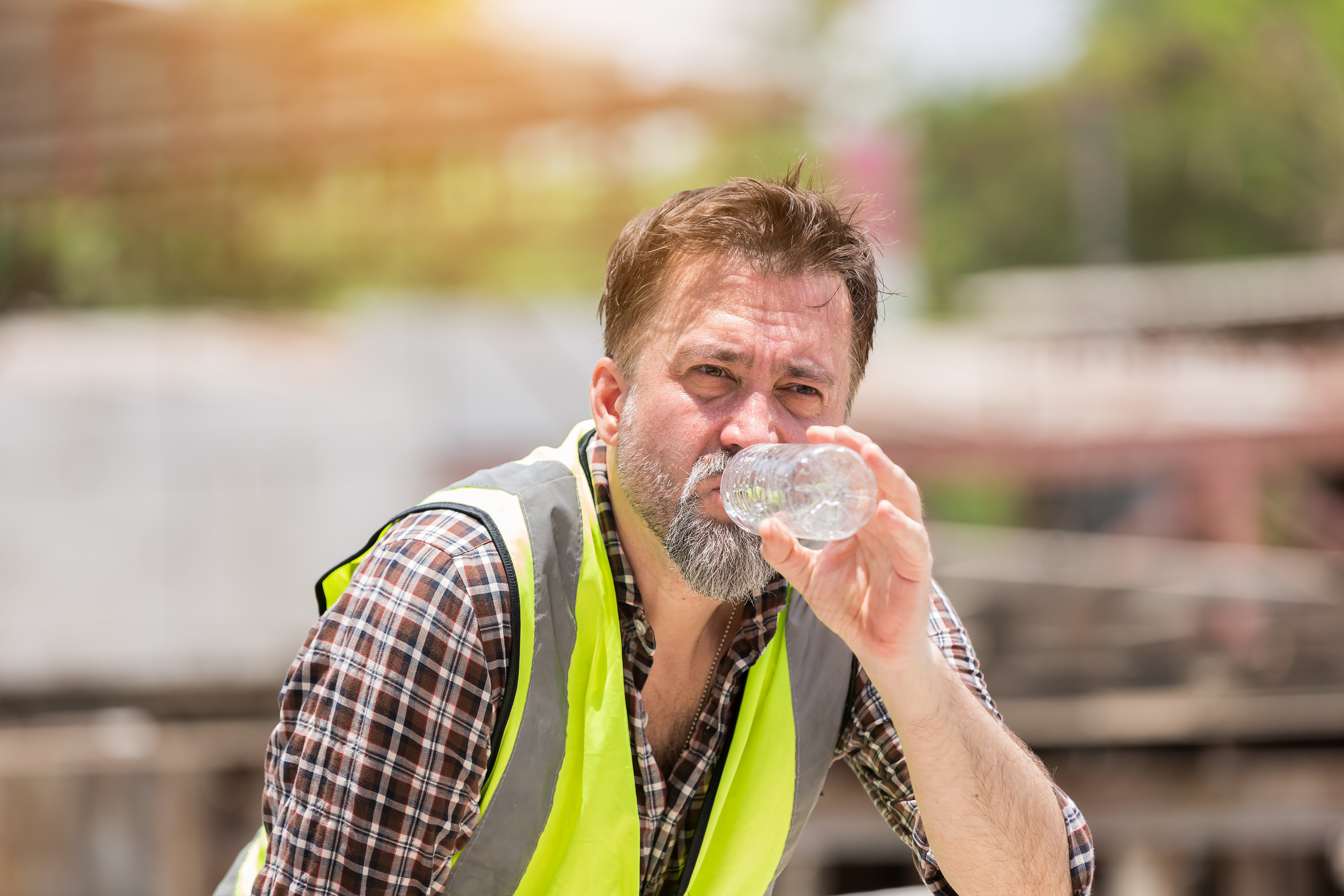
For workers carrying out physically demanding tasks outdoors, the effects of prolonged sun exposure can quickly build up over the course of a shift.
Common risks include:
Sunburn and long-term skin damage, increasing the risk of serious conditions such as:
- Melanoma - the most serious form of skin cancer
- Basal Cell Carcinoma (BCC) - the most common type of skin cancer
- Squamous Cell Carcinoma (SCC) - commonly linked to long-term cumulative UV exposure
- Heat exhaustion or heatstroke, caused by high temperatures combined with dehydration and physical exertion
- Fatigue and reduced concentration increase the likelihood of incidents
- Eye strain and glare, particularly on reflective surfaces such as metal, glass or concrete
These risks are often intensified when workers are required to wear PPE such as high-visibility clothing, helmets and protective equipment that can trap heat and limit airflow.
Without proper management, heat-related illness can lead to lost productivity, sickness absence and increased safety incidents.
Employer Responsibilities and Compliance
Employers have a duty to manage environmental risks affecting workers. Where tasks involve prolonged outdoor exposure, suitable control measures should be introduced to reduce the risk of heat stress and UV exposure.
Relevant legislation includes:
Health and Safety at Work etc. Act 1974
Employers must ensure the health, safety and welfare of workers as far as reasonably practicable.
Management of Health and Safety at Work Regulations 1999
Requires employers to assess workplace hazards and implement appropriate control measures.
Personal Protective Equipment at Work Regulations 2022
Where risks cannot be eliminated through other controls, appropriate PPE must be provided.
In practice, managing sun exposure requires a combination of controls, including planning, supervision, training and suitable equipment.
Practical Sun Safety Measures for Sites
Managing sun exposure on site doesn't need to be complicated. A combination of simple controls can make a significant difference.
For Site Managers
- Carry out risk assessments for outdoor work during hot weather
- Monitor exposure time and rotate tasks where possible to reduce prolonged direct sunlight
- Schedule work sensibly during peak UV hours where practical (typically 11am - 3pm)
- Provide drinking water and encourage regular hydration breaks
- Ensure shaded rest areas or ventilated welfare units are available
- Install sunscreen stations in visible, high-traffic locations
- Deliver toolbox talks on sun safety
Toolbox Talks: Reinforcing Safe Behaviour
Toolbox talks are a key control measure in managing sun exposure. These should cover:
- The risks of UV exposure and heat stress
- The importance of hydration and regular breaks
- How and when to apply sunscreen
- Recognising early symptoms of heat-related illness
- When to stop work and report concerns
Regular, practical briefings help embed sun safety into daily site behaviour rather than relying on one-off communication.
Monitoring Exposure Time in Practice
Monitoring exposure time is one of the most effective ways to reduce risk, particularly during periods of high temperatures.
In practice, this can include:
- Rotating operatives between exposed and shaded tasks
- Introducing additional breaks during peak heat
- Adjusting workloads across teams
- Supervisors actively monitoring workers for signs of fatigue or heat stress
This approach helps maintain productivity while reducing the risk of overexposure.
Where practical, supervisors should also consider introducing sensible limits for prolonged direct sun exposure during periods of high temperatures or elevated UV levels. Planning work schedules around these limits, alongside task rotation and welfare breaks, can help maintain worker wellbeing, concentration and overall productivity throughout the working day.
For Workers
Workers can also reduce risk by following simple practices:
- Apply sunscreen before starting work and reapply regularly
- Drink water frequently, even before feeling thirsty
- Wear breathable clothing where possible
- Use appropriate head protection based on the task risk assessment
- Take breaks in shaded or ventilated areas
Eye Protection and Glare Reduction
Bright sunlight and reflective surfaces such as metal, concrete and glass can increase glare and eye strain across site environments.
Products such as the Smoke Grey Lens PS34 Neon Safety Spectacles help reduce glare while maintaining eye protection standards, supporting comfort and visibility during outdoor work.
Suitable eye protection can help reduce:
- Eye fatigue
- Glare-related strain
- Reduced visibility during bright conditions
As with all PPE, eye protection should be selected based on the task risk assessment and working environment.
Symptoms such as dizziness, nausea, headaches or excessive sweating should be reported immediately.
Practical Site Solutions for UV Protection and Worker Welfare
Providing the right equipment makes it easier for workers to follow safe practices consistently.
Sunscreen Dispenser Systems: Making Protection Visible
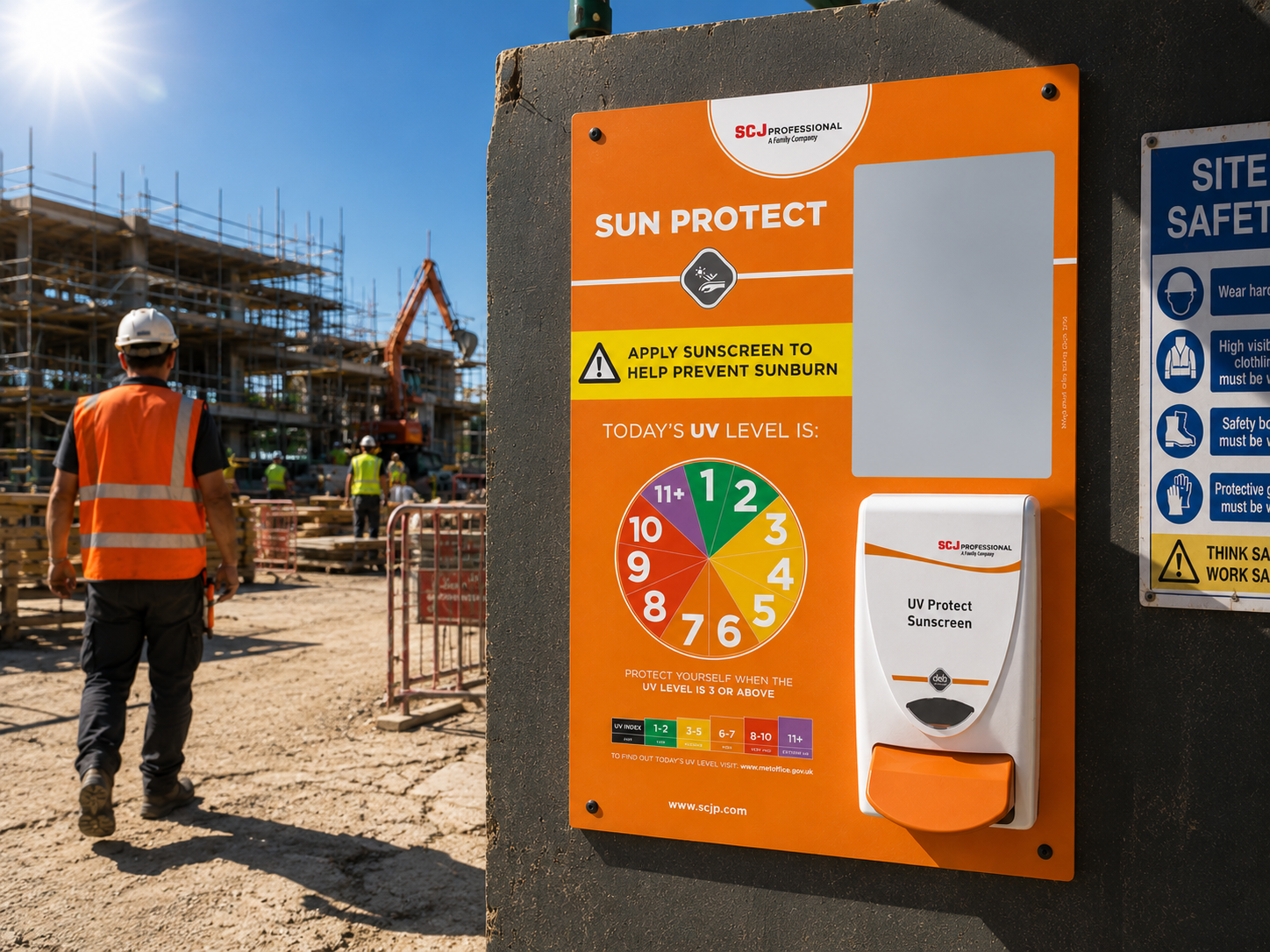
One of the most effective ways to improve sunscreen use on site is by making it visible and accessible.
The Deb Sun Protection Board - UV Skin Safety Centre combines awareness and application into one system. It includes:
- A 1-litre lockable sunscreen dispenser
- A mirror to encourage correct application
- A UV index dial to display daily exposure levels
- Clear guidance on why, how and when workers should protect themselves
Combining product access with visual prompts, it helps reinforce sun safety as part of everyday site routine. It also supports toolbox talks and site inductions, giving supervisors a clear reference point when discussing UV risks.
Professional-Grade Sunscreen for Site Use
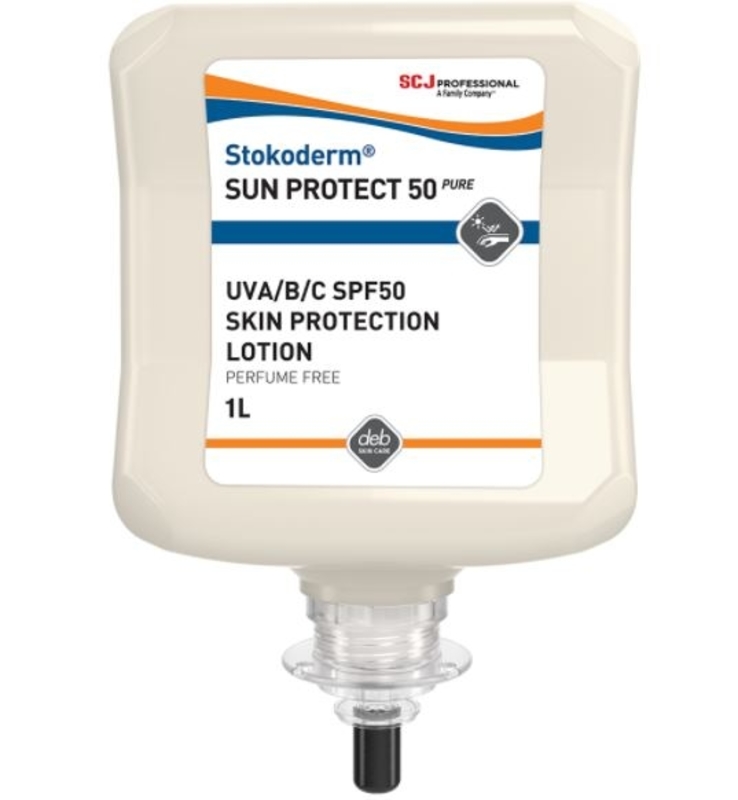
Providing suitable sunscreen is a key control measure for outdoor work.
The Stokoderm Sun Protect 50 PURE SPF50 sunscreen (1L cartridge) is designed specifically for professional environments.
Key benefits:
- SPF50 protection against harmful UV-A and UV-B rays
- Additional UVC protection for environments such as welding
- Water-resistant formula, suitable for physical work and sweating
- Non-greasy finish, maintaining grip when handling tool
- Perfume-free and skin-friendly, improving user acceptance
- Contains moisturising ingredients to help condition the skin
Supplied in a 1-litre cartridge, it is designed for use with dispenser systems, ensuring consistent access across the site.
Why Product Quality Matters
Not all sunscreen is designed for demanding site conditions.
Lower-cost or retail sunscreens are often intended for occasional leisure use rather than physically demanding outdoor work. In practice, this can lead to products wearing off quickly, feeling greasy during tool handling or discouraging regular reapplication throughout the day.
Professional-grade solutions such as Stokoderm Sun Protect 50 PURE are specifically formulated for industrial environments where workers may be exposed to heat, perspiration and prolonged outdoor exposure for extended periods.
Features such as:
- Water resistance
- Non-greasy formulation
- Fast absorption
- UVC protection
- Skin-conditioning ingredients
All help improve comfort, usability and consistency of application across the workforce.
This is important because sunscreen only works effectively if workers are willing to apply and reapply it regularly.
While lower-cost products may appear to reduce upfront spend, inconsistent protection can lead to hidden operational costs through fatigue, reduced productivity, heat-related illness and increased absence.
For many contractors, the focus is shifting from simply providing sunscreen to implementing solutions that workers will consistently use in real site conditions.
Increasingly, contractors are recognising that effective UV protection is not simply about compliance; it is about implementing practical control measures that workers will consistently use in real site conditions.
Hydration Supplies
Access to drinking water is essential, particularly during hot conditions. Freestanding water coolers and bottled water allow easy distribution across site teams and support regular hydration throughout the working day.
Cooling and Ventilation for Welfare Areas
Welfare cabins and rest areas should provide a space for workers to cool down. High-powered fans help improve airflow, reduce heat build-up and support recovery during breaks.
Head Protection and Heat Management
Head protection must always be selected based on the task risk assessment.
- Where there is a risk of head injury, safety helmets must be worn
- In lower-risk environments, ventilated bump caps can be used as an alternative
Bump caps help improve airflow and reduce heat build-up but are not designed to be worn under helmets.
Building a Strong Sun Safety Culture
Sun safety on site is most effective when it becomes part of everyday practice.
By combining:
- Risk assessments
- Monitoring exposure time
- Toolbox talk
- Welfare provisions
- Practical equipment and PPE
Employers can create safer working environments without compromising productivity.
Taking a proactive approach helps reduce heat-related illness, improve worker wellbeing and support efficient site operations.
Quick Sun Safety Tips for Site Teams
- Drink little and often - don't wait until you feel thirsty
- Reapply sunscreen regularly, particularly during physical work or sweating
- Use shaded areas during breaks wherever possible
- Monitor UV levels and exposure time during peak heat
- Report early symptoms such as headaches, dizziness or fatigue immediately
- Signage: Simple & Clear - Example signage here
Supporting Safer Sites
FixFirm works with contractors and site teams to support safer, more effective working environments through practical PPE, welfare and UV protection solutions designed for real site conditions.
By putting the right controls, products and behaviours in place, site teams can stay protected, productive and prepared when working in challenging conditions.
Contact FixFirm today to discuss how a structured, system-led approach to UV protection can help improve worker safety, support compliance and create more consistent sun safety practices across your sites.
Stay Connected
Connect with FixFirm on social media to keep up to date with the latest site safety guidance, product innovations and industry best practice.
BACK TO ARTICLES