



Joist hangers, also known as jiffy joists or speedy hangers, are fasteners used in construction to connect beams and joists. Joist hangers are important for building strong roofs, decks, floors, and ceilings. Knowing how to use joist hangers and selecting the right type for your project is crucial for ensuring the durability and quality of your construction project.
To make sure your building lasts and is of good quality, it is important to use the right kind of jiffy joist hanger. As wood naturally twists and moves over time, selecting the correct hanger will ensure long-term strength and stability. Whether it’s a standard hanger or face fix you need, we’ll help you understand which is best for you.
Standard Timber Joist Hanger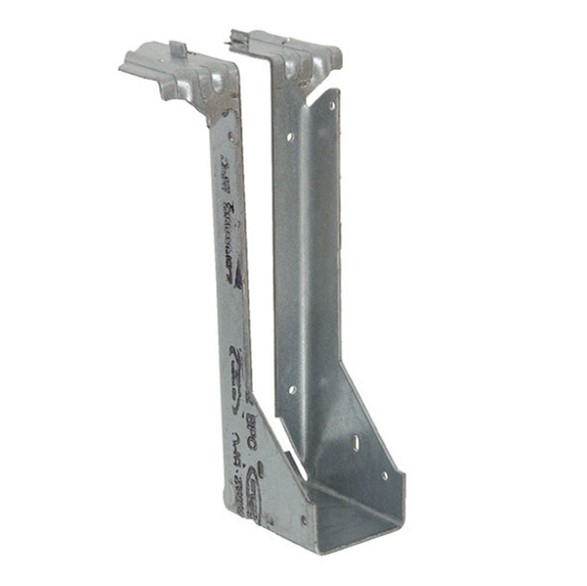
The Joist Hanger is a reliable choice for light-duty timber-to-timber applications. This hanger is commonly used for trimming around light windows, floor joists for lighter loads, and flat roofs. Its design ensures that joists remain properly aligned and stable, making it suitable for straightforward, low-load timber connections.
Long Leg Joist Hanger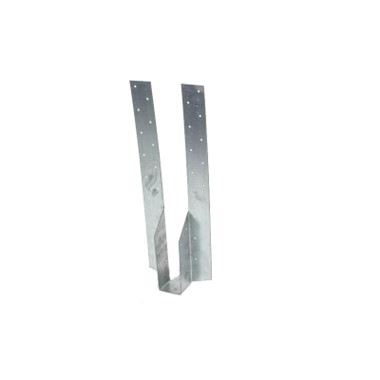
For deeper applications, like floor joists, long leg jiffy joist hangers are the best choice. Their long legs make them perfect for applications involving purlin connections and dropped or underslung floors. This is especially useful for loft conversions. The higher load capacity of these legs is a key advantage in these situations.
Multi Truss Hanger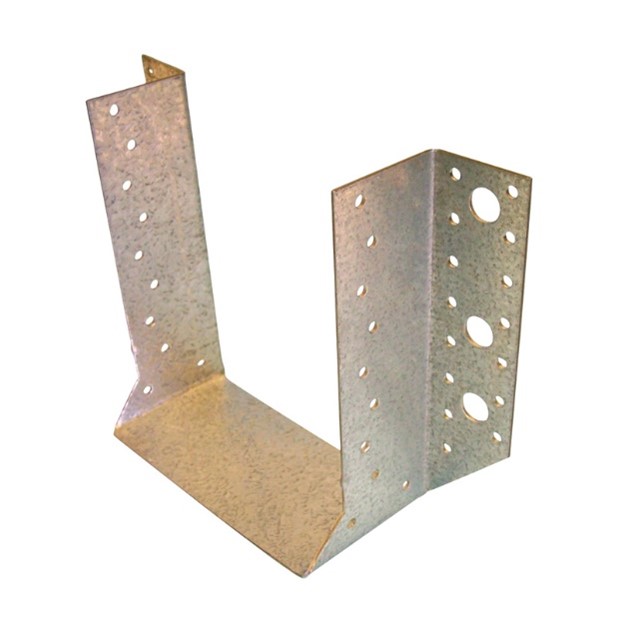
If you need to connect multiple trusses to a primary girder, a multi truss joist hanger is the ideal option. Multi truss hangers can connect timber to timber, masonry, or concrete. They are often used for purlin-to-beam connections, main trimmer joists, or any other setup where load distribution is critical. All jiffy joist hangers are typically made from galvanized steel, offering durability and corrosion resistance across various applications.
Face Fix Joist Hanger
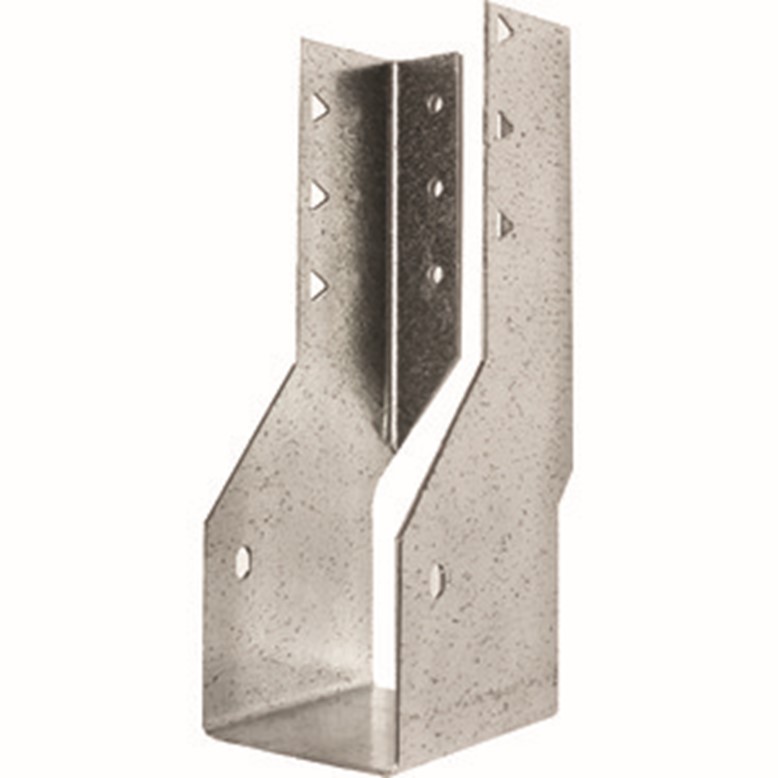
If you need a strong joist hanger for extra support, a face fix joist hanger is an ideal choice. These are primarily designed for timber-to-timber applications but can also be used in concrete or masonry fixings. Face fix hangers offer reliable load distribution and enhance structural integrity, though these hangers cannot be skewed but will normally accommodate a skew of up to 5°.
Sloped Joist Hanger

If your application requires a jiffy joist hanger that accommodates various slopes, then a sloped joist hanger will be what you need. This hanger is made to securely hold timber joists at an angle, perfect for pitched roofs or angled decking. It helps support and strengthen structures by keeping the joist securely connected to the supporting framework.
By choosing the correct hanger—whether for light-duty applications, deeper floor joist connections, or complex multi-truss setups—you ensure stability and durability in your construction project. Understanding the specific needs of your build will guide you to the perfect choice, providing peace of mind for the longevity and safety of your work.
While this focuses on timber-to-timber joist hangers, there are other options specifically designed for connecting timber to masonry. Be sure to explore these alternatives if your project involves brickwork or concrete connections to ensure optimal stability and performance.
BACK TO ARTICLES