



Construction sites are one of the highest-risk environments for fire. With hot works, temporary electrics, and large volumes of combustible materials all present at the same time, the risk is constant.
Each year, fires on UK construction sites lead to injuries, project delays, and significant financial loss, but the good news is that most are preventable with the right controls in place.
Modern construction sites face increasingly complex fire risks due to tighter project programmes, greater use of temporary electrics, more densely populated sites and the growing volume of lithium-ion battery-powered tools and equipment. As projects become faster-paced and more operationally demanding, fire prevention is becoming just as much about planning and behaviour as it is about equipment and compliance.
In this guide, we outline the key risks and practical steps you can take to reduce fire hazards on your site.
Common Causes of Fires on Construction Sites
Understanding the risks is the first step to prevention. The most common causes include:
- Hot works (welding, grinding, cutting) - sparks can travel significant distances and ignite materials
- Electrical faults - temporary wiring, damaged cables, and overloaded circuits
- Poor housekeeping - build-up of waste, packaging, and debris
- Flammable materials - paints, solvents, fuel, insulation, timber
- Arson and site security issues - particularly on unmanned or partially completed sites.
- Storage - ensure combustible materials are located away from the site boundaries
- Lithium-ion battery charging and storage - damaged batteries, incorrect chargers or unattended charging areas can significantly increase fire risk on modern sites
Construction sites are constantly changing, which increases the likelihood of fire risks being overlooked if proper controls aren't in place.
Fire Prevention Best Practices for Construction Sites
1. Fire Risk Assessments
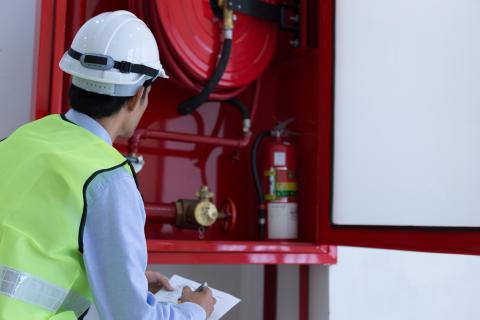
- Carry out assessments regularly throughout the project
- Update whenever site layouts or activities change
- Identify ignition sources, fuel sources, and vulnerable areas
2. Appoint Fire Wardens
- Assign trained fire wardens for each area or shift
- Responsibilities include:
- Monitoring hazards
- Performing daily checks
- Supporting evacuations
3. Daily Fire Safety Checklist (Lock-Up Routine)
A simple end-of-day routine can significantly reduce overnight fire risk.
Daily Lock-Up Checklist:
- Remove waste and flammable materials
- Check hot work areas are extinguished and signed off
- Turn off temporary heaters and electrical devices
- Keep escape routes clear
- Secure fuel and chemical storage
- Check fire extinguishers are in place and accessible
- Ensure alarms and security systems are active
Tip from FixFirm: Turn this into a printable checklist for your site team.
4. Implement a Hot Work Permit System
Hot work is one of the leading causes of construction site fires.
- Use permits for all hot work activities
- Carry out pre-work risk checks
- Maintain a fire watch during and after work
5. Maintain Good Housekeeping
- Remove waste daily
- Keep combustible materials away from ignition sources
- Store flammable substances in ventilated, secure areas
6. Install Fire Detection and Alarm Systems
Construction sites often lack permanent fire systems, making temporary solutions essential.
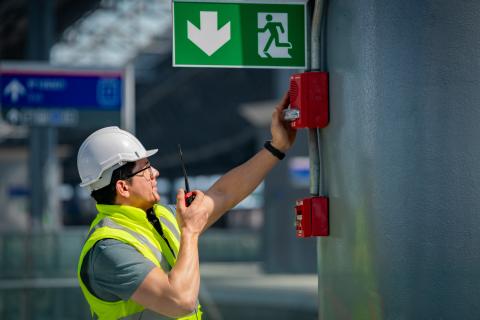
- Use temporary fire alarms and howlers
- Install manual call points for immediate alerts
- Add smoke or heat detection where required
Reliable early warning is critical on busy or noisy sites.
7. Emergency Planning
- Create a clearly defined fire emergency plan
- Display site maps with fire points and assembly areas
- Conduct regular fire drills
8. Training and Awareness
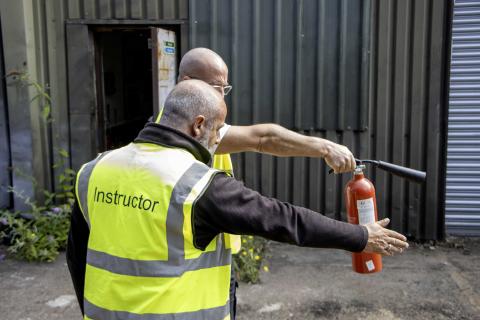
- Include fire safety in site inductions
- Run regular toolbox talks on:
- Fire extinguisher use
- Hot work safety
- Handling flammable materials
9. Temporary Accommodation Fire Safety
- Use fire-resistant materials in cabins
- Install smoke alarms and extinguishers
- Maintain safe spacing between units
10. Engage with Local Fire Services
- Inform them of access routes and site hazards
- Consider site visits for larger projects
Essential Fire Safety Equipment for Construction Sites
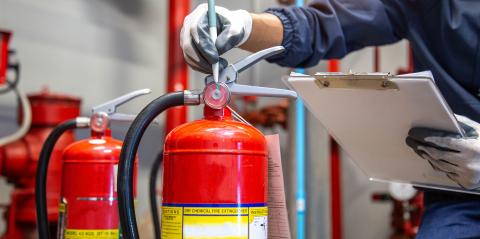
Having the right equipment in place is key to reducing risk and responding quickly if a fire occurs.
Typical site essentials include:
- Fire extinguishers - for immediate response
- P50 Fire Extinguishers - long-life composite extinguishers that reduce annual servicing requirements, minimise maintenance disruption and support lower whole-life operational costs
- Fire blankets - ideal for small or contained fires
- Fire alarm howlers & call points - to raise the alarm quickly
- Smoke alarms - for early detection in key areas
- Flame-retardant correx & protective sheeting - helps reduce fire spread
- Fire-rated carpet protection - supports safety on finished surfaces
What Happens When It Goes Wrong?
A single fire can have serious consequences:
- Project delays running into weeks or months
- Financial losses and insurance complications
- Damage to reputation and future contract opportunities
- Risk to workers, security staff, and the public
Fire prevention on construction sites isn-t just about compliance, it-s about protecting people, projects, and profit.
By combining good housekeeping, proper planning, and the right equipment, most fire risks can be significantly reduced.
Need help improving fire safety on your site?
Fixfirm supply a full range of fire prevention and protection products to support safer, more compliant projects.
BACK TO ARTICLES